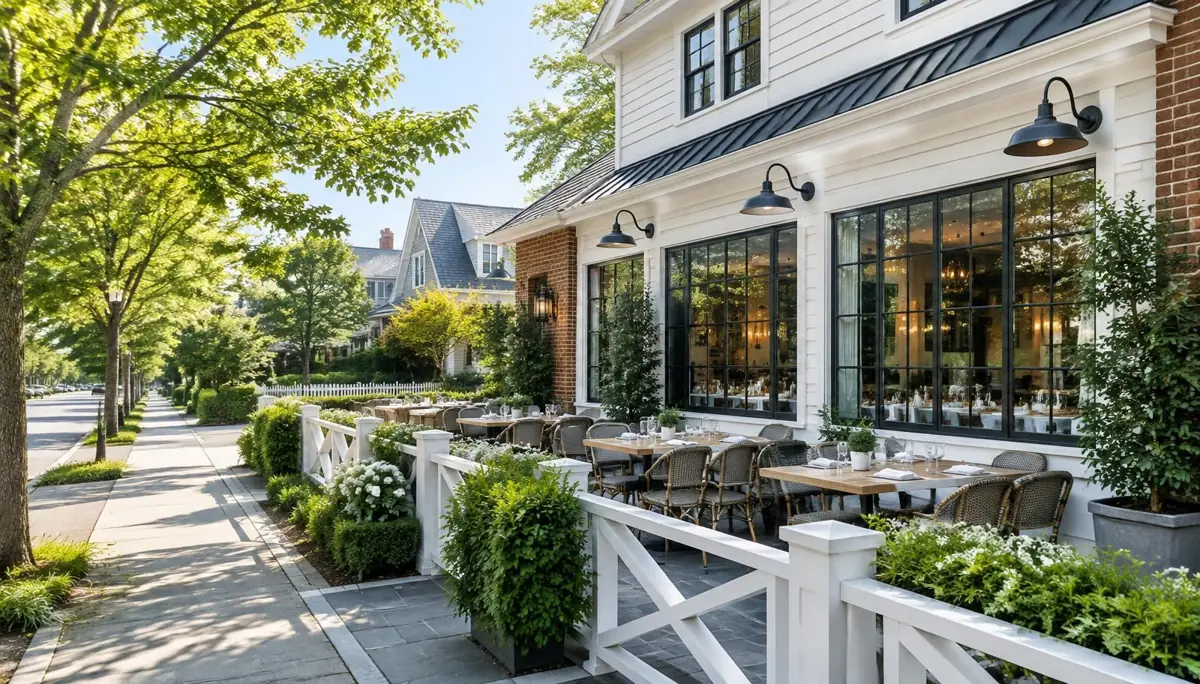
Illustrative hospitality scene; not a depicted client, property or establishment represented by the firm

The James Firm · Manhattan, New York

Liquor License Attorney in Manhattan

Premises diligence, public-interest submissions & operating conditions

Call Manhattan — (212) 845-9909

Illustration—not a client property or represented establishment.

Liquor Licensing Counsel in Manhattan

The James Firm advises Manhattan restaurants, bars, hotels and purchasers on liquor licensing, premises selection and regulatory changes. The review connects the specific address, proposed operation and ownership with Community Board notice and the State Liquor Authority application.

For a Manhattan site, the address and operating proposal matter more than a neighborhood reputation. Assess nearby licensed premises and applicable distance restrictions before relying on a broker’s assurance that the space is licensable.

Manhattan · Premises, applicant & operation

Evaluate a dense corridor with actual measurements

The 500-foot law is not a blanket prohibition on Manhattan restaurants. The SLA describes a restriction for specified on-premises liquor classes near three operating on-premises liquor establishments, with a public-interest review where applicable. Confirm the class, qualifying nearby licenses and entrance measurements; a map radius alone is not the legal analysis. Separate any 200-foot eligibility question from the 500-foot public-interest process.

Prepare a public-interest record, not a popularity contest

Where the 500-foot law applies, the Authority must consult the municipality and gather facts for its public-interest determination. Evidence can address the operation, traffic and parking, noise, other permissions and the history of the premises. A favorable Community Board view is useful input, not a license. Opposition does not automatically determine the result either; the state evaluates the complete application record.

Match operating commitments to the business model

Identify the Community Board district for the actual site and check its current process before preparing materials. Describe hours, food service, entertainment and outdoor areas consistently across the floor plan and application. If agreed stipulations become part of the SLA-approved operation, they become license conditions. A proposed rooftop, lounge or event room needs its own premises and operating review, not an assumption that a street-level restaurant approval covers it.

Coordinate a Manhattan lease or purchase with licensing

Review site control, landlord cooperation, permitted use, assignment and construction obligations before an opening date becomes a contractual promise. An existing business may have operating conditions the buyer does not intend to retain; evaluate those differences alongside the transaction structure and permit strategy. Our Manhattan office supports NYC matters, but no neighborhood-specific success rate or approval timetable is promised.

Legal Work Connected to Your Manhattan Matter

Prepare for the consultation

For a Manhattan site, the address and operating proposal matter more than a neighborhood reputation. Assess nearby licensed premises and applicable distance restrictions before relying on a broker’s assurance that the space is licensable.

Tell us whether this is a new application, acquisition, renewal, proposed change or SLA notice. Preserve any notice and its stated response date. Government fees and filing requirements depend on the class and facts; legal fees depend on the agreed scope. No approval date or outcome is guaranteed.

Michael James, founding attorney of The James Firm

Attorney-led representation

Michael James · The James Firm

The firm’s practice connects liquor licensing and regulatory representation with commercial leases, business transactions and ownership issues. Learn about Michael James’s professional background and the scope of the firm’s work before deciding whether to engage counsel.

Attorney biography

Liquor Licensing Questions in Manhattan

Is every Manhattan application subject to the 500-foot law?

No. The intended class and qualifying nearby establishments must be evaluated. The restriction is not established merely because a premises is in Manhattan or has neighboring restaurants.

Does Community Board support guarantee approval?

No. Community input is part of the SLA record. Where required, the Authority must make its own public-interest finding and review the applicant, premises and proposed operation.

Can I change agreed closing hours after licensing?

Do not implement a change without reviewing the approved method of operation. Stipulations incorporated by the SLA are license conditions, and changing the method of operation requires an application for approval.

Should I sign before the location review is finished?

Discuss the risk and potential lease contingencies first. Counsel can evaluate the intended class, site documents and unresolved regulatory questions before you commit to rent or construction.

Official Licensing Resources

General information, not legal advice. Requirements depend on the license class, premises and facts. Contacting the firm does not create an attorney-client relationship; representation requires conflict review and a written engagement.

Discuss Your Manhattan Liquor Licensing Matter

Bring the application, premises and transaction questions that affect your business decision.

Call Manhattan